The School Playground Planning Guide for Principals and Parent Councils
Your school has decided it needs a new playground. The committee is forming, the parent council is energized, and the ideas are already flying. But school playground planning has a way of stalling between that first exciting meeting and the first shovel in the ground.
Schools face a different path from municipalities. Decisions run through a principal, a school division and a parent council at the same time, the money comes from sources that only schools can access, and the build has to fit around the school year. Get those pieces lined up early, and the rest of the project moves.
This guide walks principals and parent councils through how school playground planning actually runs in Western Canada, from the first committee meeting to the first recess on the new equipment.
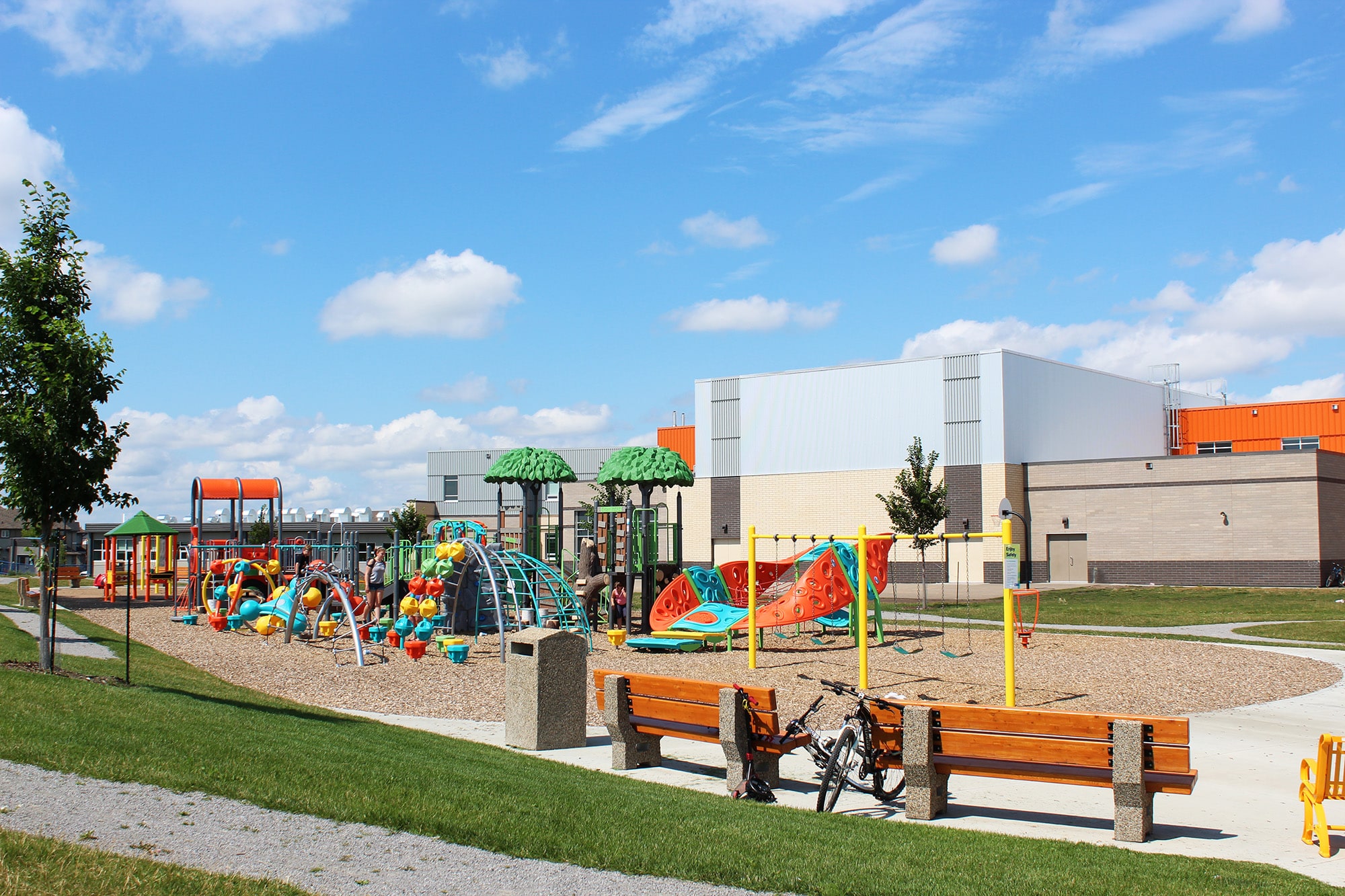
School Playground Planning Starts With the Right Committee
When a parent council asks how to get a new playground for our school, the first answer is people, not equipment. A committee of six to ten people works well, and it should include:
- An administrator with budget authority, usually the principal or vice-principal
- Your school division’s facilities contact, who knows the site, the utilities and the approval process
- Two or three teachers, who see how recess actually works
- Parent council representatives, who often lead fundraising and community outreach
- A student voice, through a survey or student council, so the space reflects what children want
At the first meeting, settle the questions that every later decision depends on:
- Which grades will use the space?
- How many students play at once during the busiest recess?
- Are you replacing worn equipment or adding capacity for a growing school?
- What does success look like in a year, in one sentence everyone agrees on?
Then name one decision-maker. Committees generate excellent ideas, but projects stall when nobody has the final say. Treat this section as a short school playground committee guide: right people, clear roles, one person accountable.
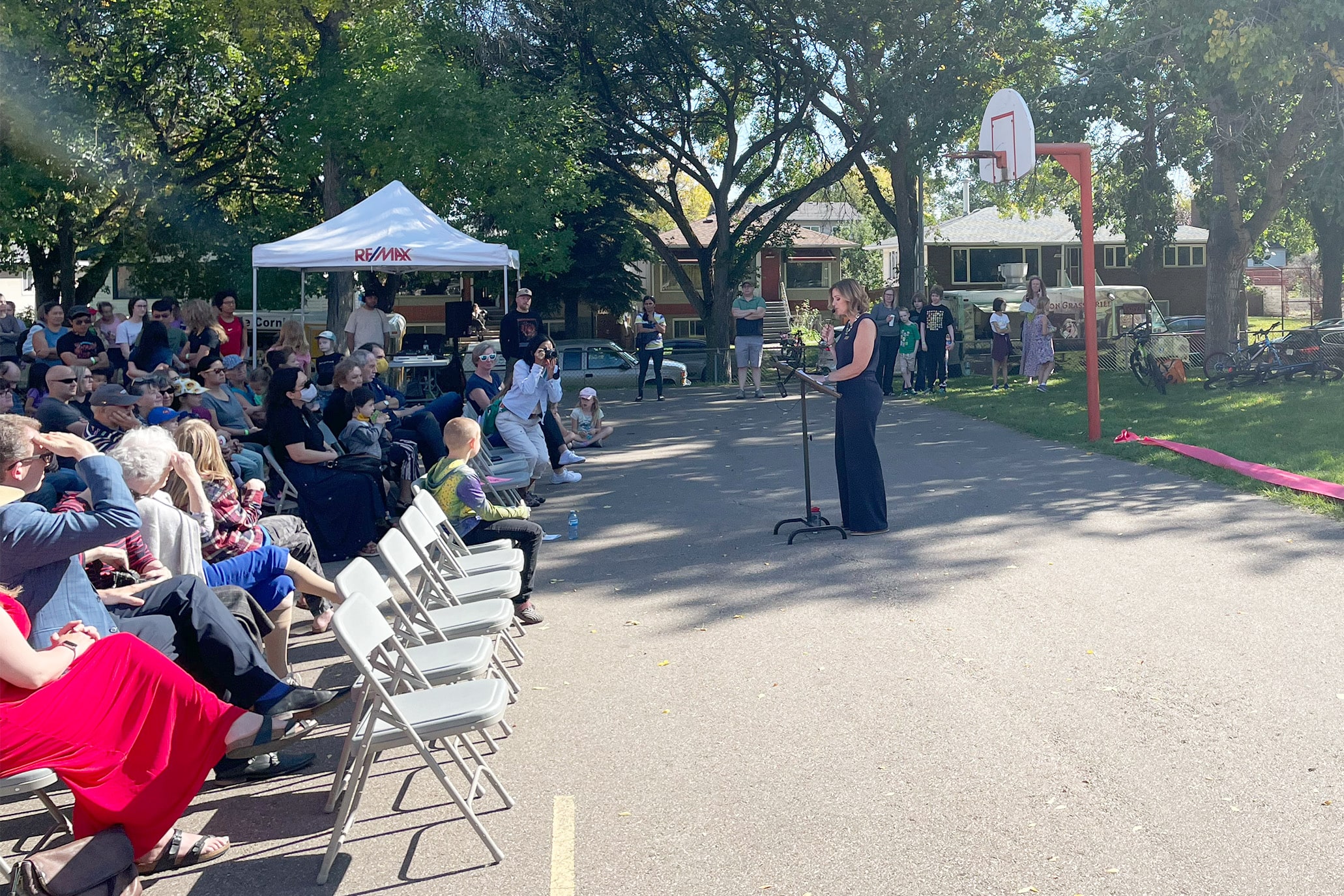
Who Has to Say Yes Before You Start
A school playground usually sits on school division land, which means the division has a say long before equipment arrives. Before the committee commits to a design or a fundraising target, confirm three things with your division:
- Who approves the project, and at what stage they need to see drawings
- Who owns the playground once it is built, since ownership decides who insures and maintains it
- Whether the division has its own standards, approved suppliers or installation requirements
These answers shape every later decision in your school playground planning. Our playground planning checklist covers the site, budget and specification decisions in detail, so this guide focuses on the parts that are unique to schools.
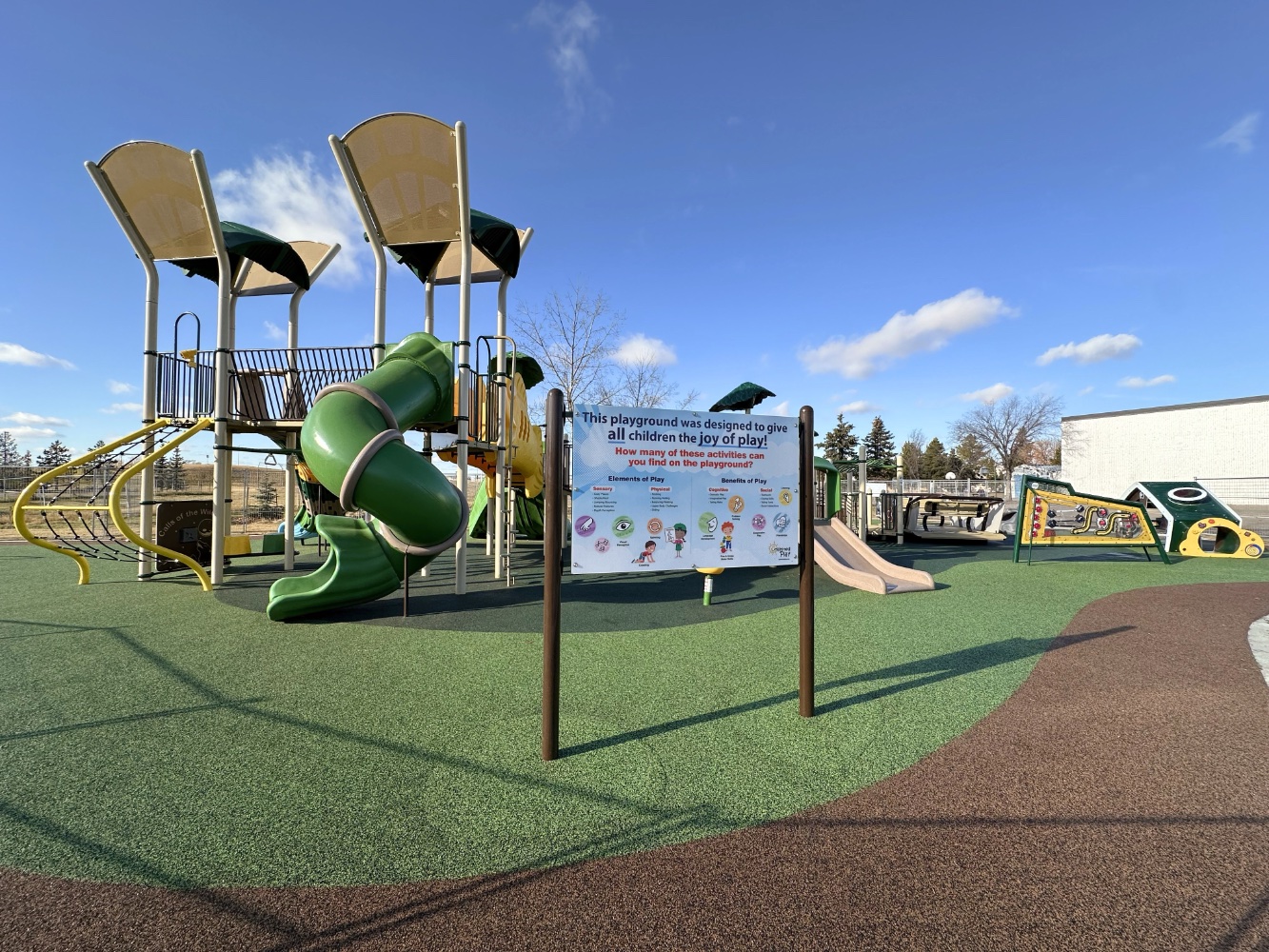
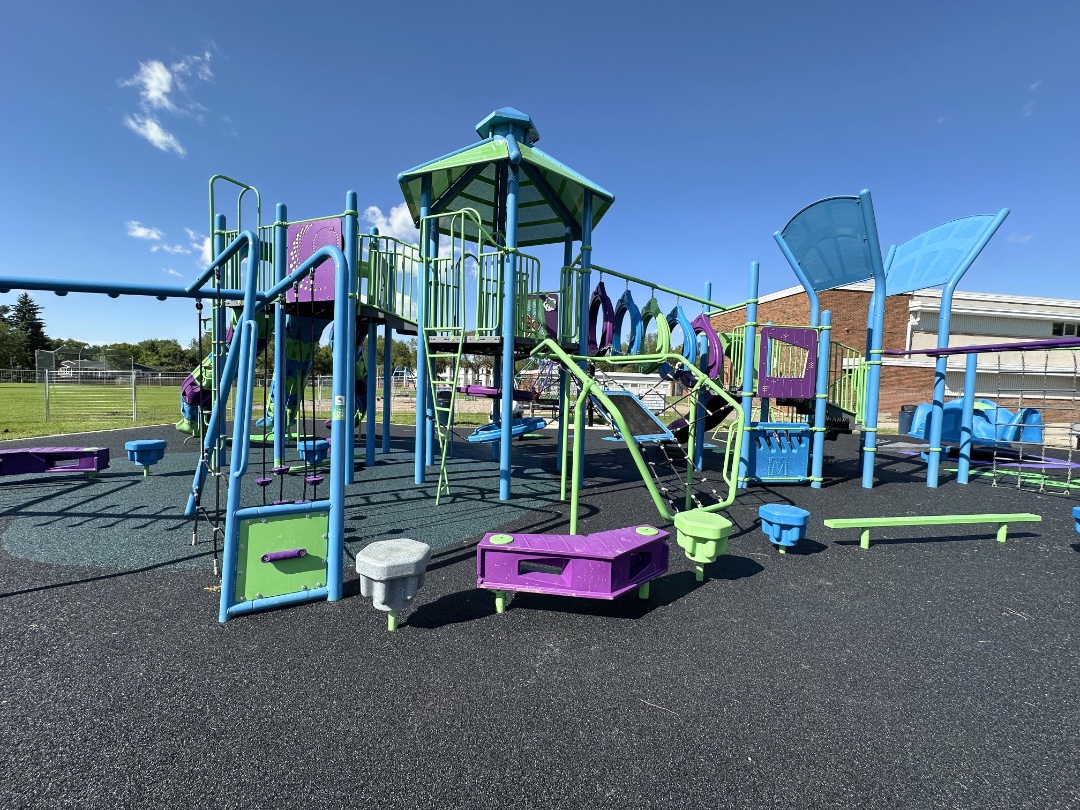
What Recess Demands From a School Playground
A school playground has to handle something most parks never see: hundreds of children arriving at the same minute. That changes school playground planning in ways a park project never has to consider.
- Plan for peak capacity. If you buy one slide for 400 students, you have designed a lineup rather than a playground.
- Separate age groups. Elementary schools generally need one area for younger students and another for older ones, with real physical separation between them.
- Balance play types. Climbing, sliding, swinging, spinning, sensory play and a quiet corner give every child something to do.
- Design for inclusion from day one. Ramps, ground-level activities and transfer stations let students play together, and retrofitting them later costs more. Our inclusive playgrounds page explains how those pieces fit together.
- Keep sightlines open. Supervising staff need to see the whole space from one or two positions.
Little Tikes Commercial’s guide on how to design a school playground adds useful detail on mixing active and imaginative play.
School Playground Planning and Funding: Routes Open to Schools
Most school playgrounds combine parent council fundraising with grants, and several Western Canadian programs target schools directly:
- British Columbia: the Playground Equipment Program provides up to $200,000 per school, but your school district applies through its capital plan. Note that BC’s Community Gaming capital grants exclude playgrounds on public school grounds.
- Saskatchewan: the School Playground Equipment Grant offers up to $50,000 in matched funding, and the current intake is open until January 29, 2027.
- Alberta: the Community Facility Enhancement Program (CFEP) is the strongest option, and it offers two streams of funding. The small stream provides up to $125,000, with intakes on January 15, May 15 and September 15, while the large stream offers up to $1,000,000. Both require matching funds, and only registered non-profits can apply, so schools usually apply through a school council or parent fundraising society.
- Alberta, Saskatchewan and Manitoba: Sandbox Mutual’s Communities at Play program awards $25,000 toward new or renovated playgrounds.
Canada Post Community Foundation’s small grants of up to $5,000 also accept schools directly, which supports a larger fundraising campaign or covers a single piece of equipment.
Most programs expect matching funds, so start fundraising before you apply. If the numbers still fall short, phase the project over two summers rather than compromise on safety or accessibility. Our playground grants page lists current programs, and our guide on how to get a playground grant explains the eligibility and timing rules. For budget ranges, see our breakdown of what a commercial playground costs.
Choosing School Playground Equipment in Canada
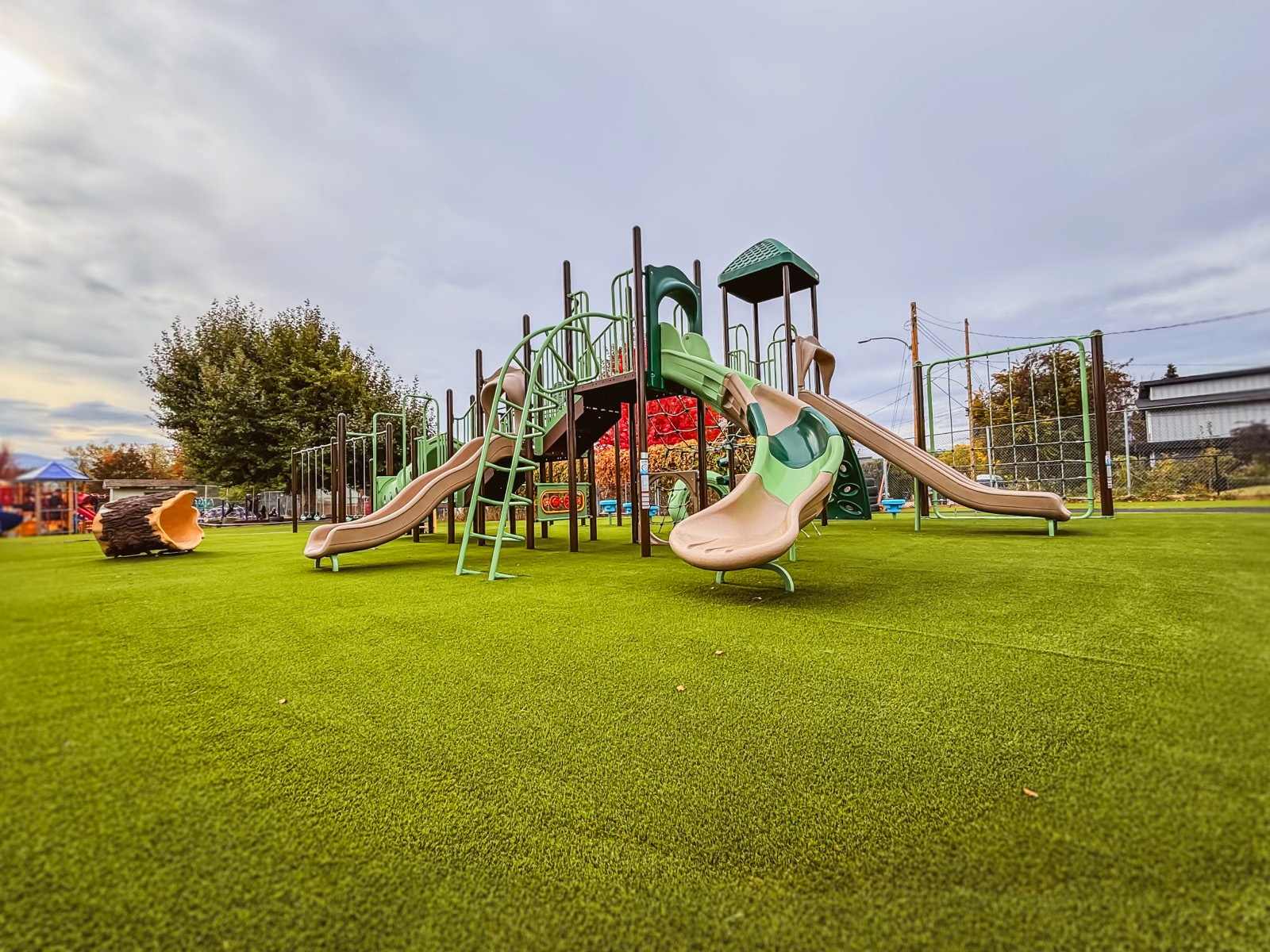
When you compare school playground equipment, Canada brings two extra requirements: national safety standards and real winters.
- Ask for CSA Z614 compliance in writing. Your division and your insurer will expect it.
- Verify certification. Look for IPEMA certification and check the numbers rather than trusting a logo.
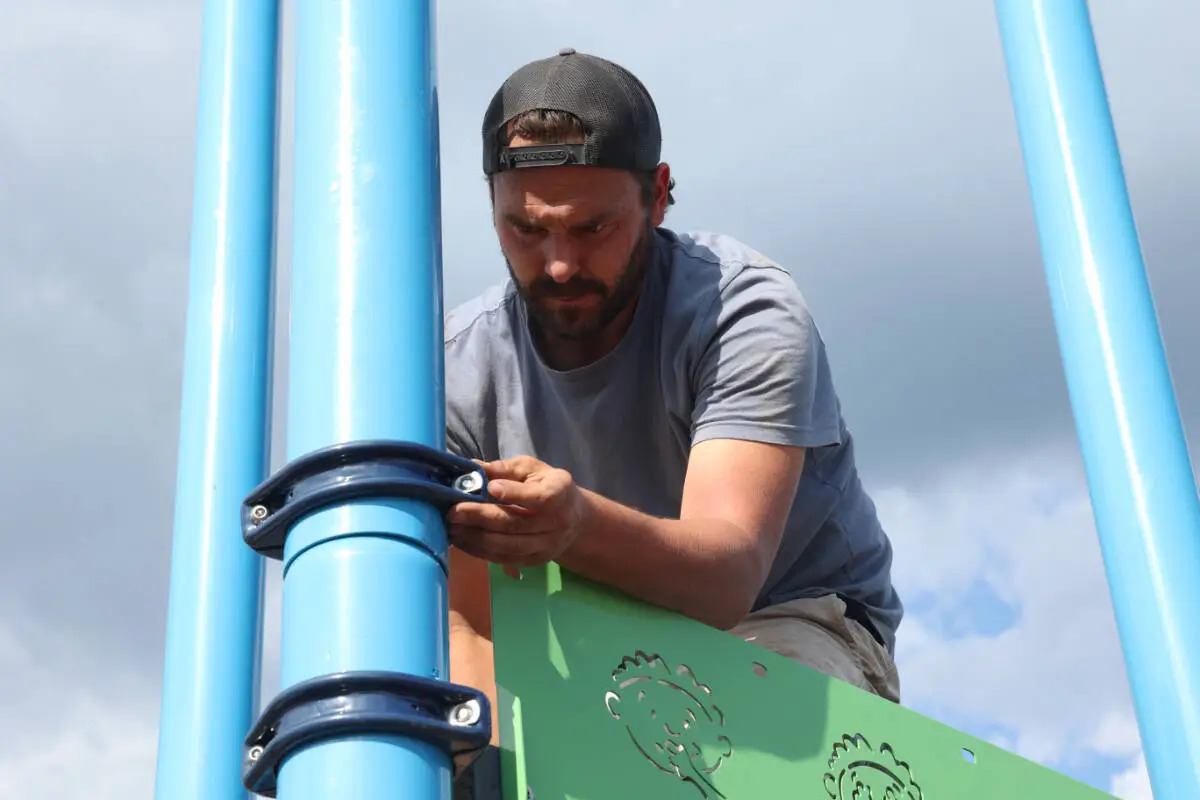
- Book a certified inspection. A Certified Playground Safety Inspector can review the design before you order and the finished playground before students arrive.
- Plan for snow. Note where drifts form at recess, keep younger children’s areas away from them, and keep piled snow off the surfacing.
Surfacing deserves its own decision, since it affects accessibility, maintenance and winter performance. Our playground surfacing options guide compares each surface side by side.
Build in Summer, Book in Winter
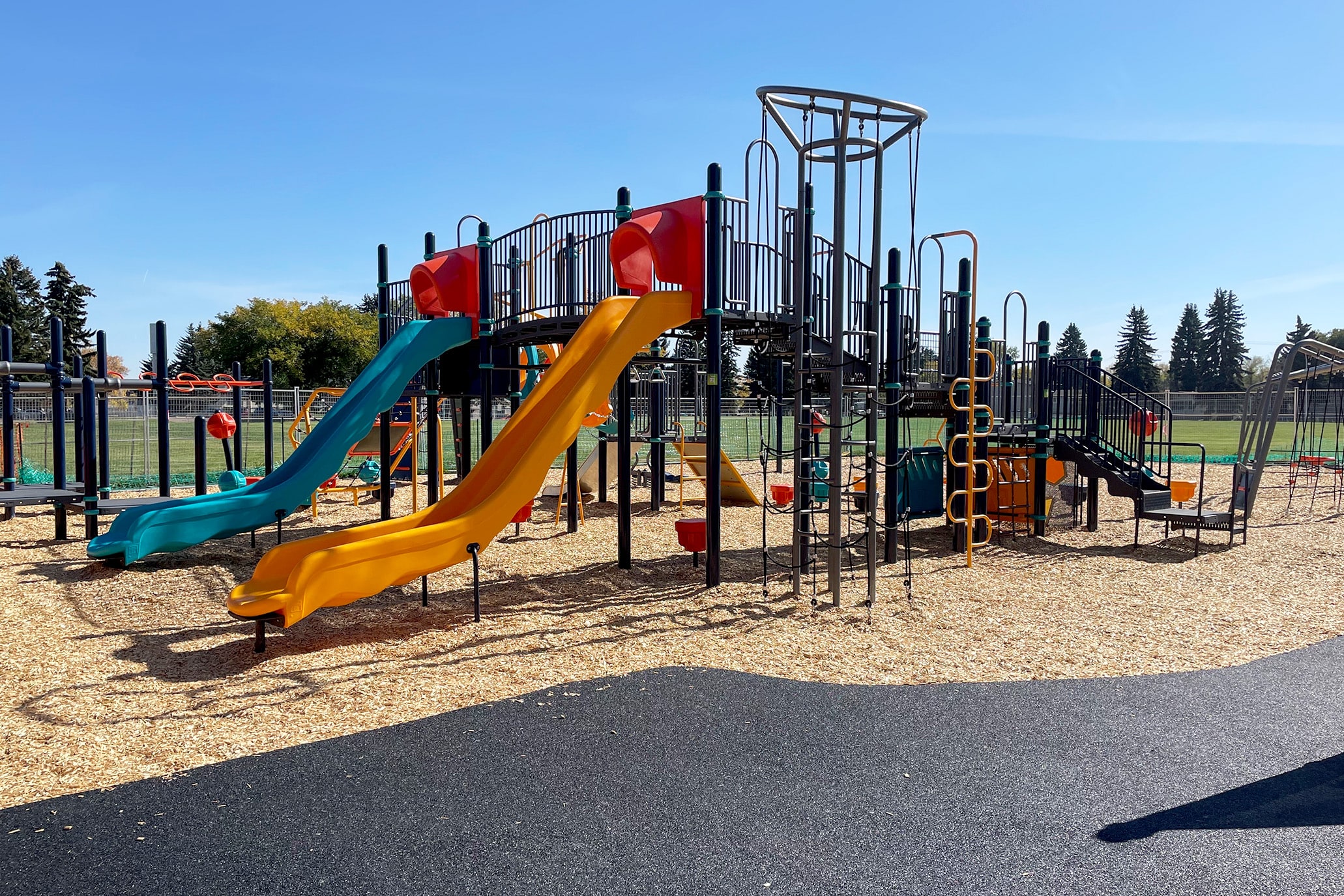
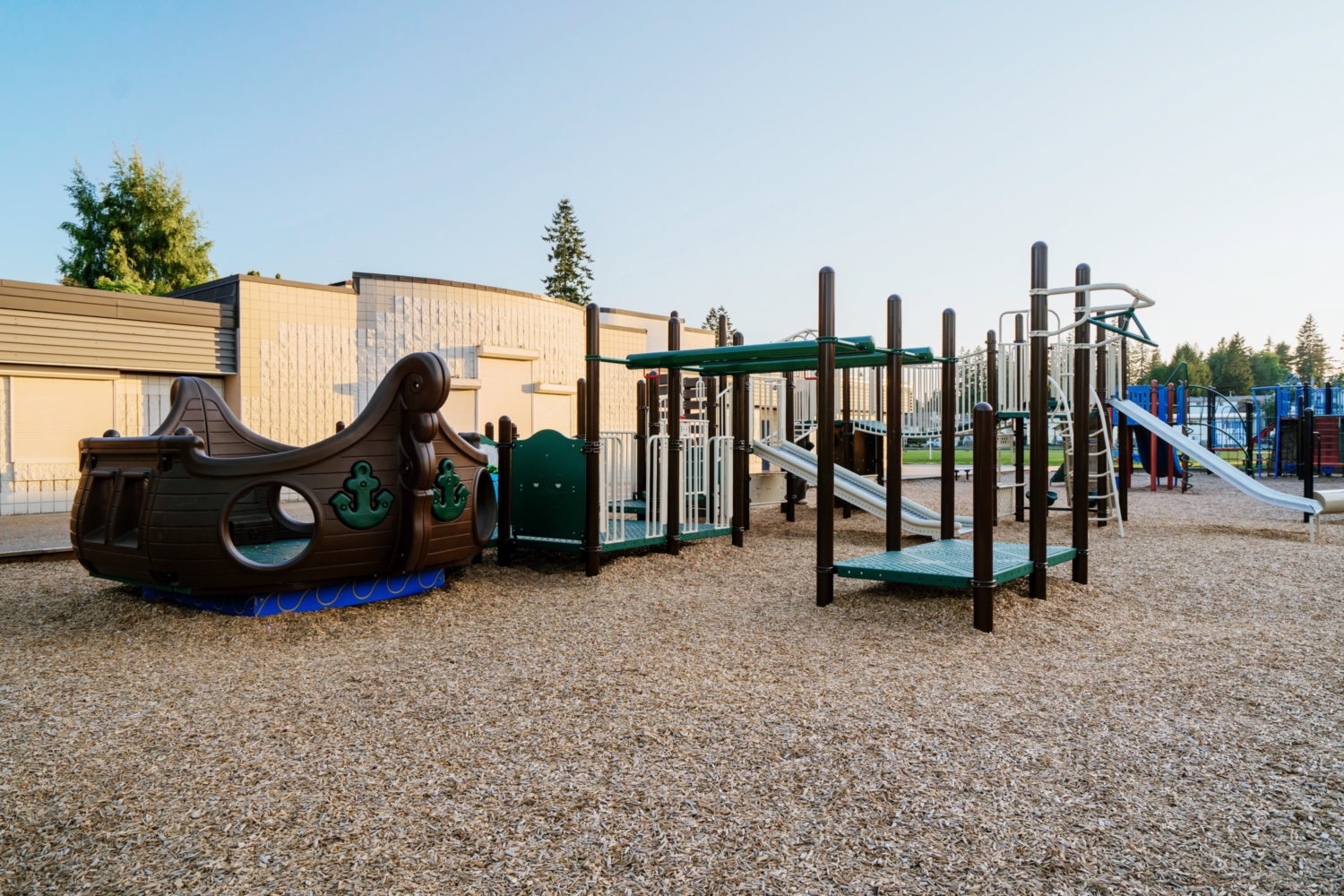
School playground planning follows the school year, and the most common mistake is starting too late. A typical schedule looks like this:
- September to November: form the committee, set goals and confirm division approvals
- December to February: finalize the design, apply for grants and book your installation window
- March to May: confirm funding, place the order and schedule site preparation
- July and August: install while students are away
- September: open the playground
Installation crews book up early, and equipment carries manufacturing lead times of several weeks to a few months. Site preparation and concrete also need workable ground, so the summer break is the window most schools aim for. Check whether your municipality requires a permit as well, since permits and inspections add time to the schedule. That is why schools that wait until spring to order often spend September looking at a fenced-off construction site.
Keeping Parents and Students in the Loop
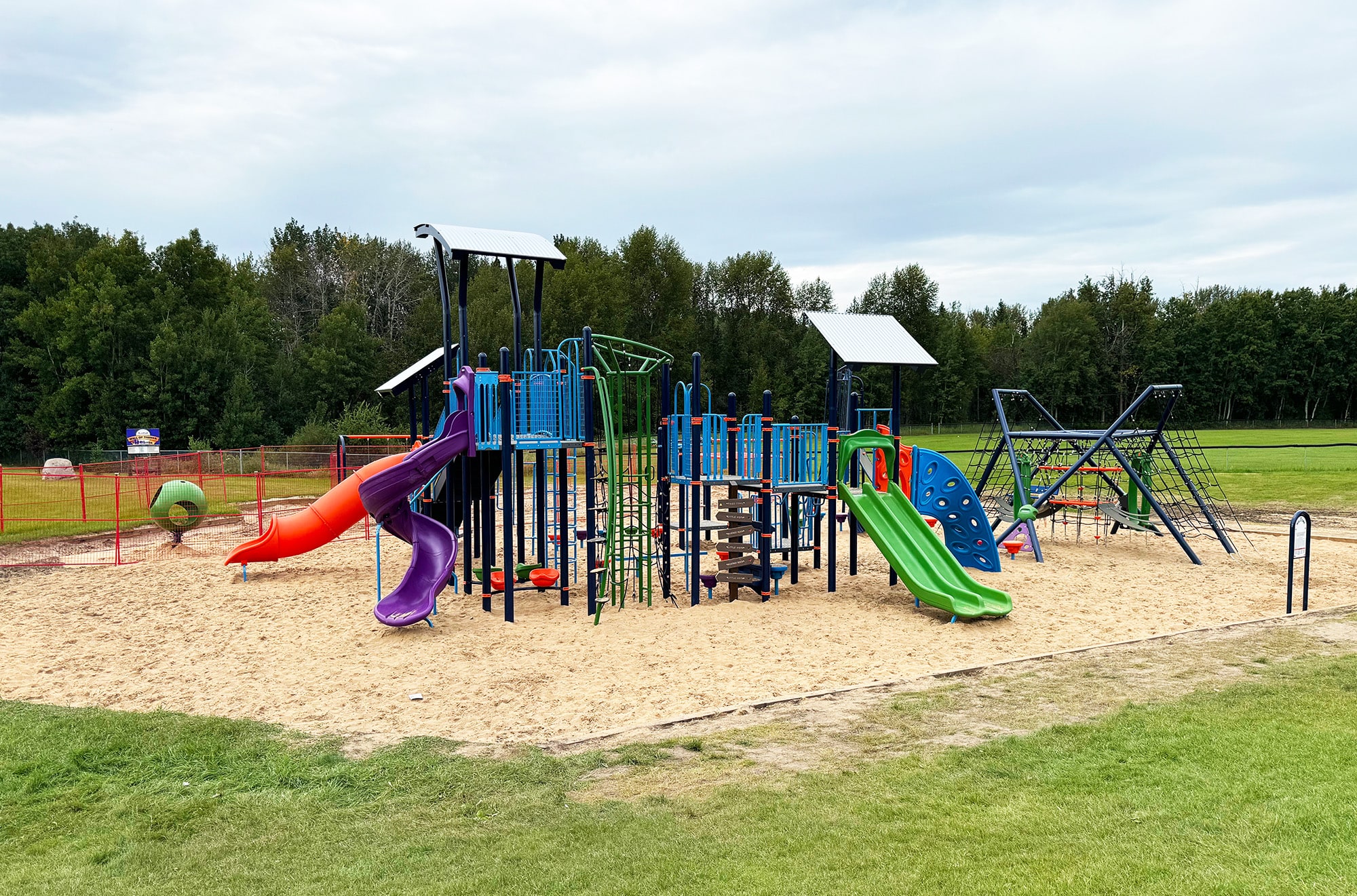
A school playground belongs to the whole school community, so communication is part of the plan rather than an afterthought. Three habits keep support strong:
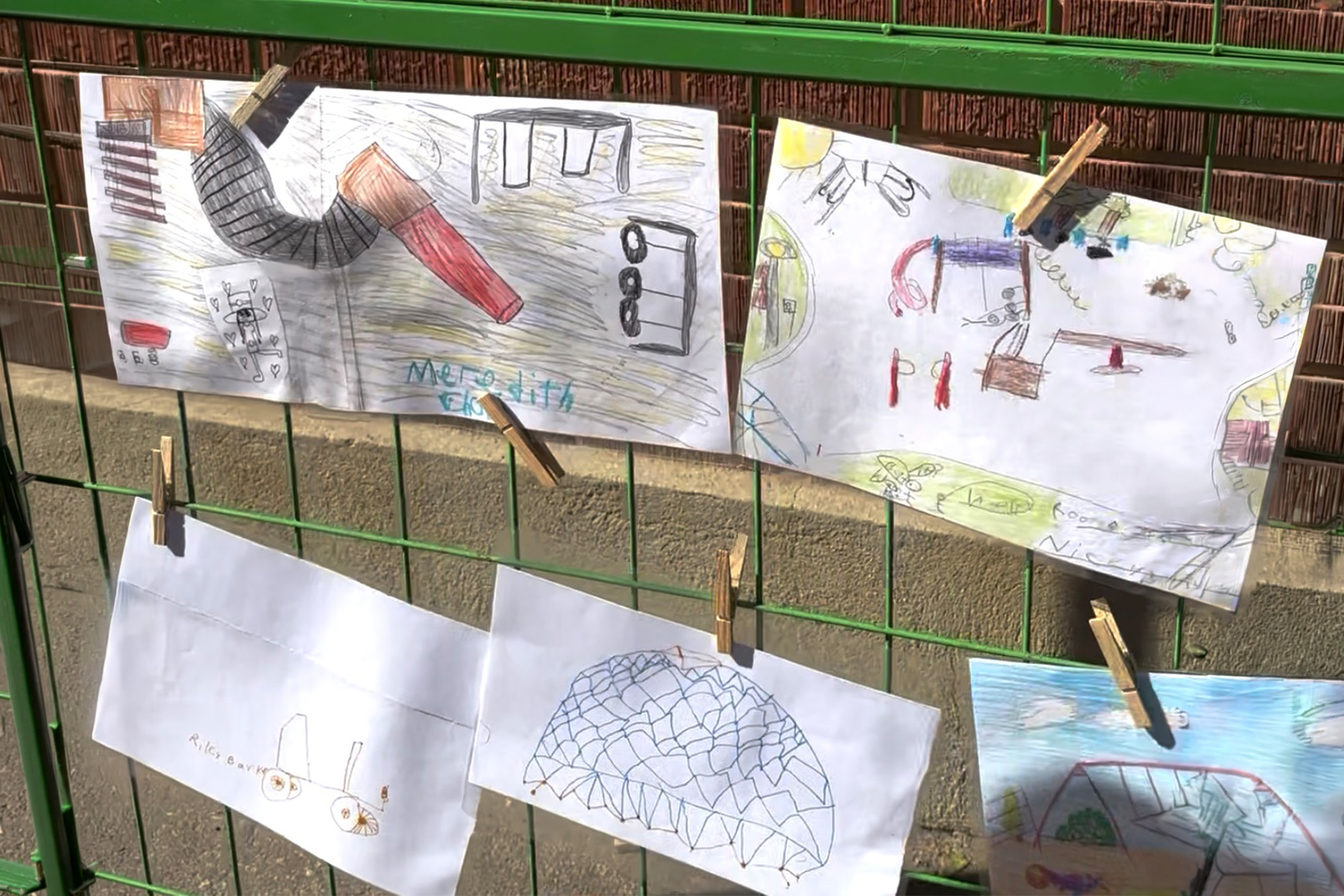
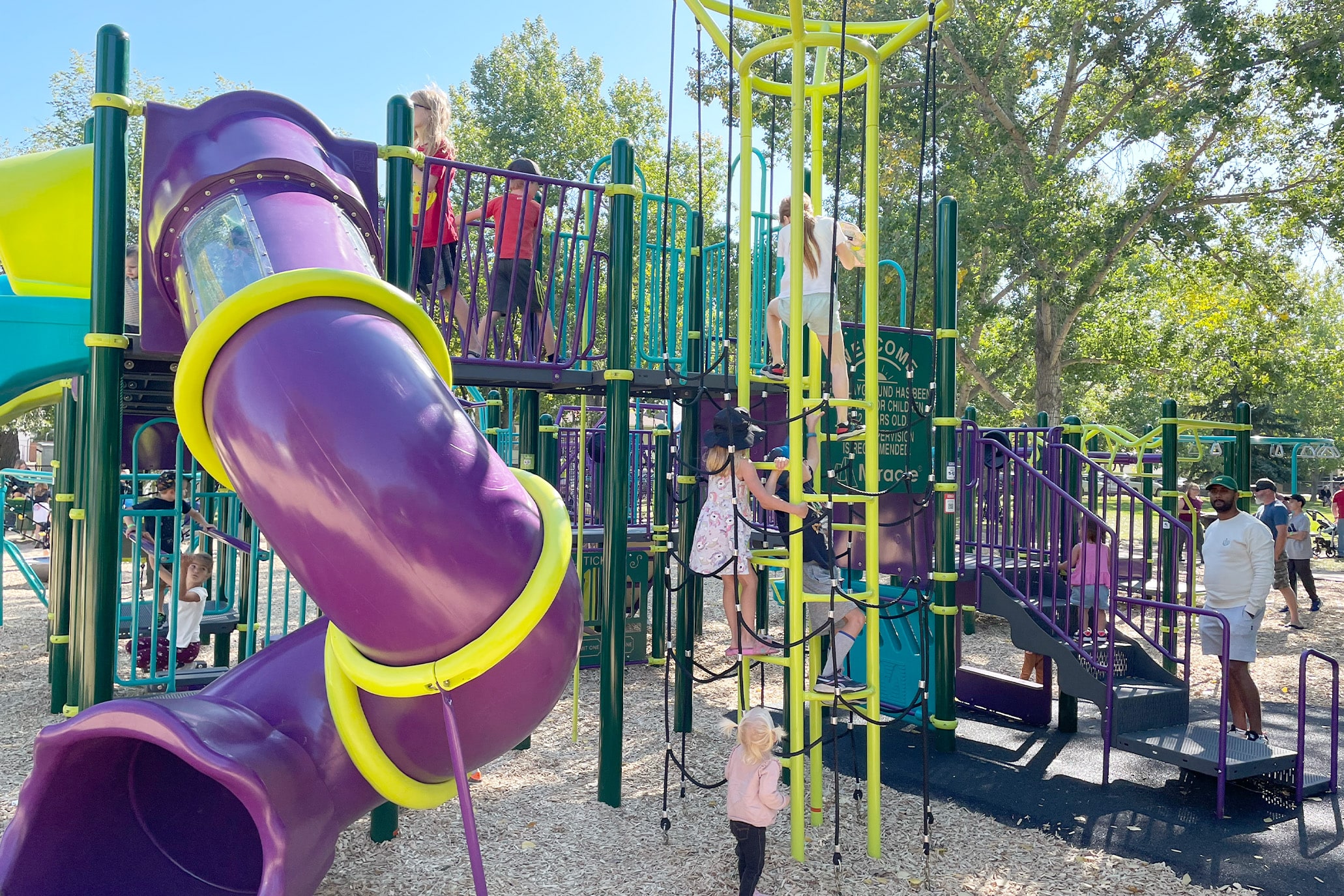
- Show students the concepts. Children notice details adults miss, and seeing their ideas reflected builds excitement.
- Report progress regularly. A short update in the school newsletter after each milestone keeps parents engaged through a long project.
- Explain the timeline early. When families know the build happens over the summer, a fenced-off site in June reads as progress rather than delay.
These habits also make your next fundraising push easier, because parents can see exactly where earlier contributions went.
Keeping a School Playground Safe After Opening Day
Set up a maintenance routine before students arrive:
- A quick daily visual check for damage, litter and hazards
- A documented monthly inspection using a standard form
- Regular raking and topping up of loose-fill surfacing, especially under swings and slide exits
- An annual inspection by a certified inspector, ideally after spring thaw
- A watch on snowbanks, since drifts beside fences turn into climbing routes
- One place for records, including the parts list and warranty documents for parts and service
One more tip: train two staff members on the routine. Playgrounds fall behind when the only person who knew the process transfers to another school.
Start Your School Playground Planning With a Site Visit
Every schoolyard is different, and good school playground planning starts with the site, the enrolment and the budget you actually have. Little Tikes Commercial’s school playground equipment page and Miracle Recreation’s school playgrounds page show the range of equipment available.
Some of our favourite projects began as a wish list from a parent council. We have helped school committees turn those lists into designs and fundraising plans, then installed the finished playgrounds over the summer so students could race onto them in September. Browse our project portfolio to see what we have built for schools near you.
When your committee is ready, talk to our team. We will walk your site with you, help you plan around the school year and design a playground your students will use every recess.