The Playground Planning Checklist Municipalities Use Before Going to Tender
Three bids come back on the same playground tender. One is $75,000, one is $100,000, and one is $150,000. Nobody can tell which is best value, because each supplier scoped the job differently. That is what happens without a playground planning checklist: the suppliers were not dishonest, they simply had to guess.
The checklist prevents exactly that. It forces the decisions that belong to you — users, site, standards, budget, scope — before suppliers start interpreting them for you. So by the time the tender goes out, every bidder is pricing the same project.
Below is the playground planning checklist we walk clients through. It runs to six sections, and it covers what a Canadian municipal, school or community project needs to settle before procurement opens rather than discover afterward. Work through it here, or download a free copy at the end to share with your committee.
Why the Playground Planning Checklist Comes Before the Tender
Skipping ahead to equipment is the most expensive mistake in this process. Because nobody fixed the scope first, the bids arrive incomparable. Then drainage, surfacing depth or accessible routes arise mid-build as change orders, and the contingency disappears before the structure is standing.
A completed playground planning checklist also protects you politically. When a councilor asks why the recommended bid is not the cheapest, you can point at documented criteria rather than defending a judgement call. Likewise, if a grant funds the project, most programs want evidence that you established scope and budget before procurement opened.
Working through a commercial playground planning guide first may cost you a few weeks of time. However, discovering the same issues at excavation will cost you money already committed elsewhere.
When to Start the Playground Planning Checklist
Timing is the item most committees underestimate. Work backward from when children need to be playing, because a spring opening in Western Canada means the tender closes the previous autumn.
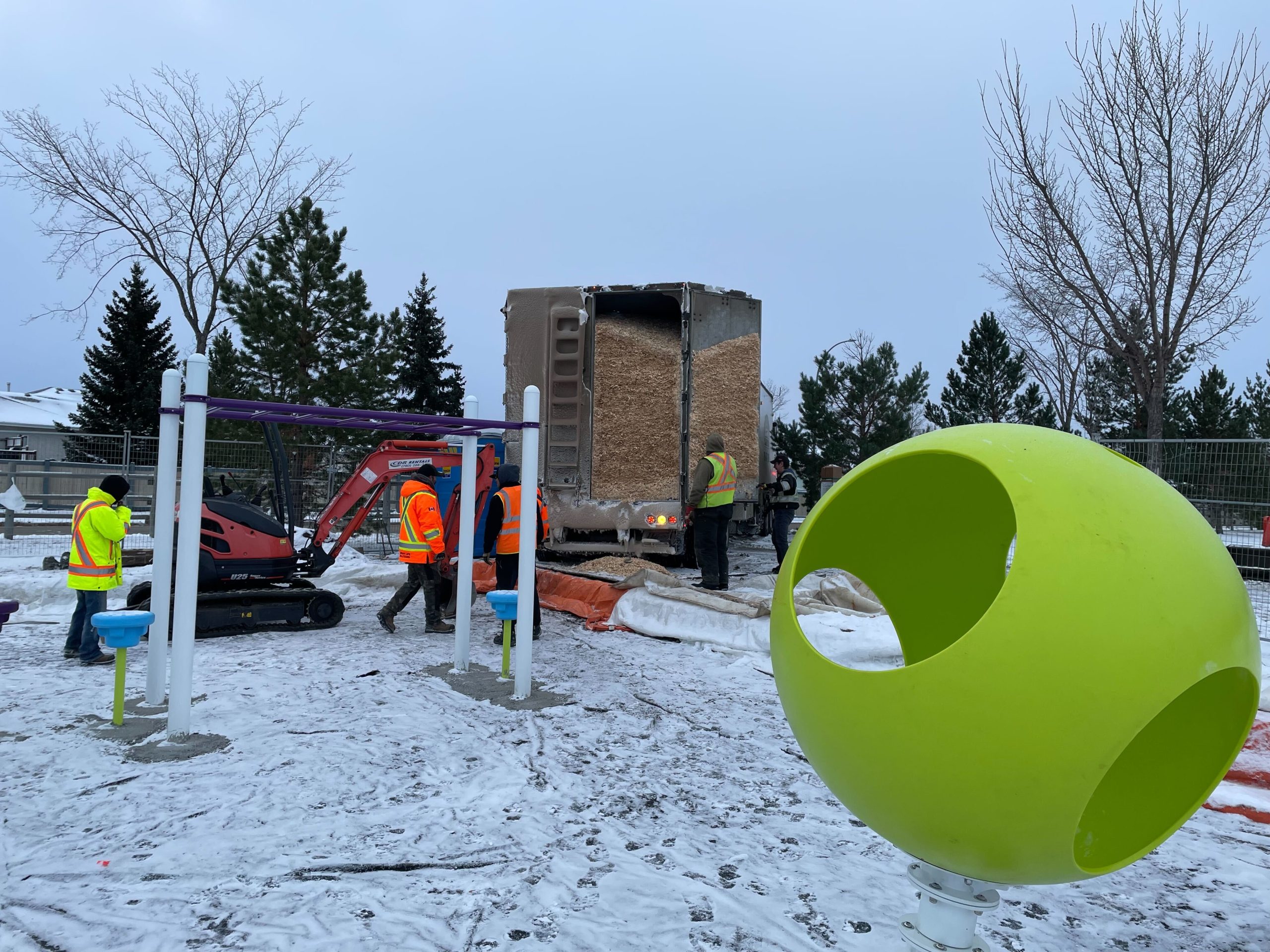
Allow roughly four to eight weeks to work through the checklist, particularly if consultation is involved. Then add tender and evaluation time, equipment lead times, and an installation window that works for Canadian weather constraints. Frost closes the ground for months, so a project approved in March is usually a summer build at the earliest.
Grant deadlines complicate this further. Since most programs expect you to settle scope and budget at application, you often finish the playground planning checklist well before the money lands.
Section One: Define Who the Space Is For
Every playground planning checklist should open here, because equipment decisions follow user decisions and never the reverse. Settle these first:
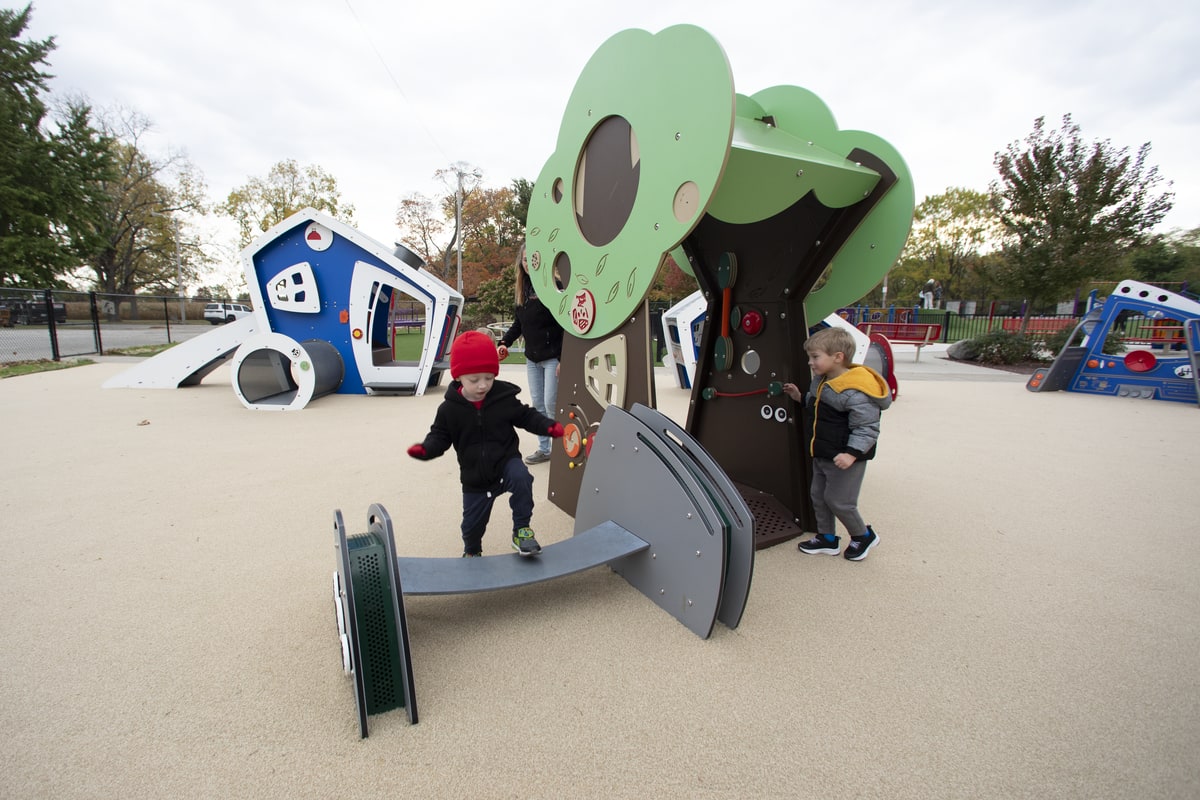
- Age groups served — 18 months to 5, 5 to 12, or both in separated zones
- Peak capacity — how many children will use the space at one time, since this drives both footprint and budget
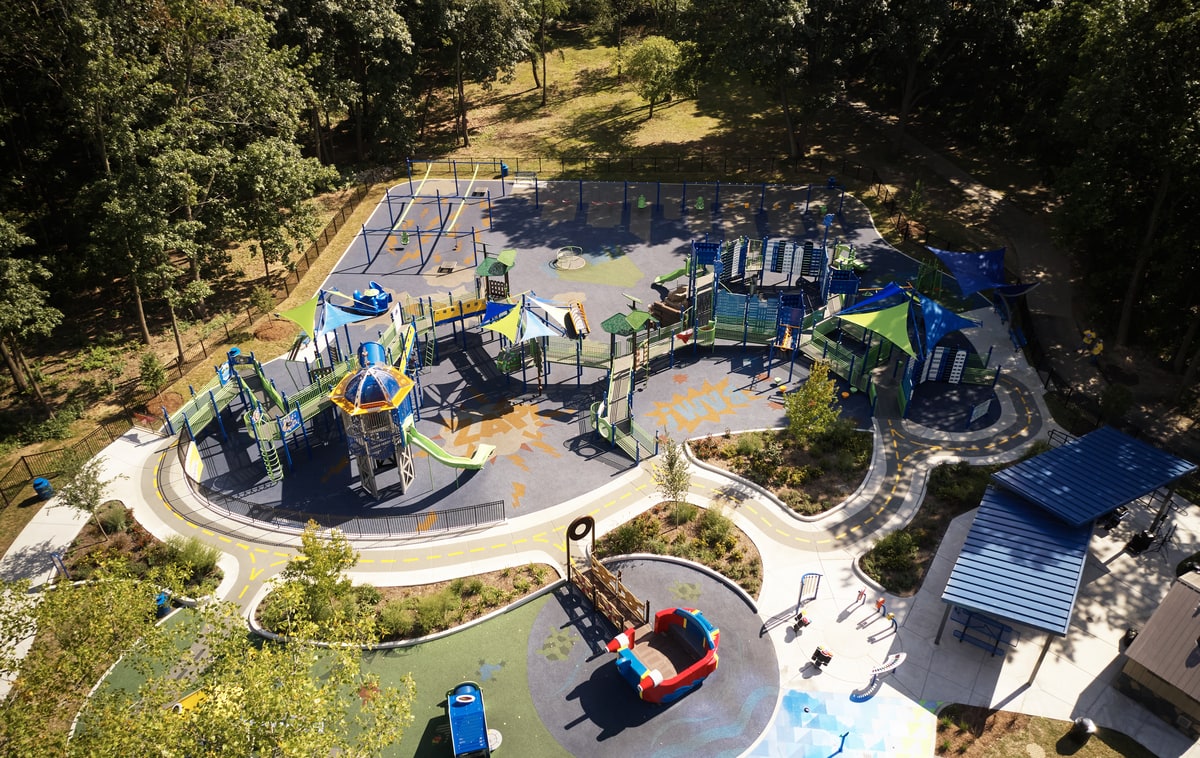
- Abilities — whether the brief requires accessible access only, or genuinely inclusive playgrounds where children of all abilities play together
- Supervision context — a daycare, a school yard and an unsupervised neighbourhood park need very different sightlines
- Community priorities — what residents actually asked for, rather than what the committee assumes
Section Two: Assess the Site
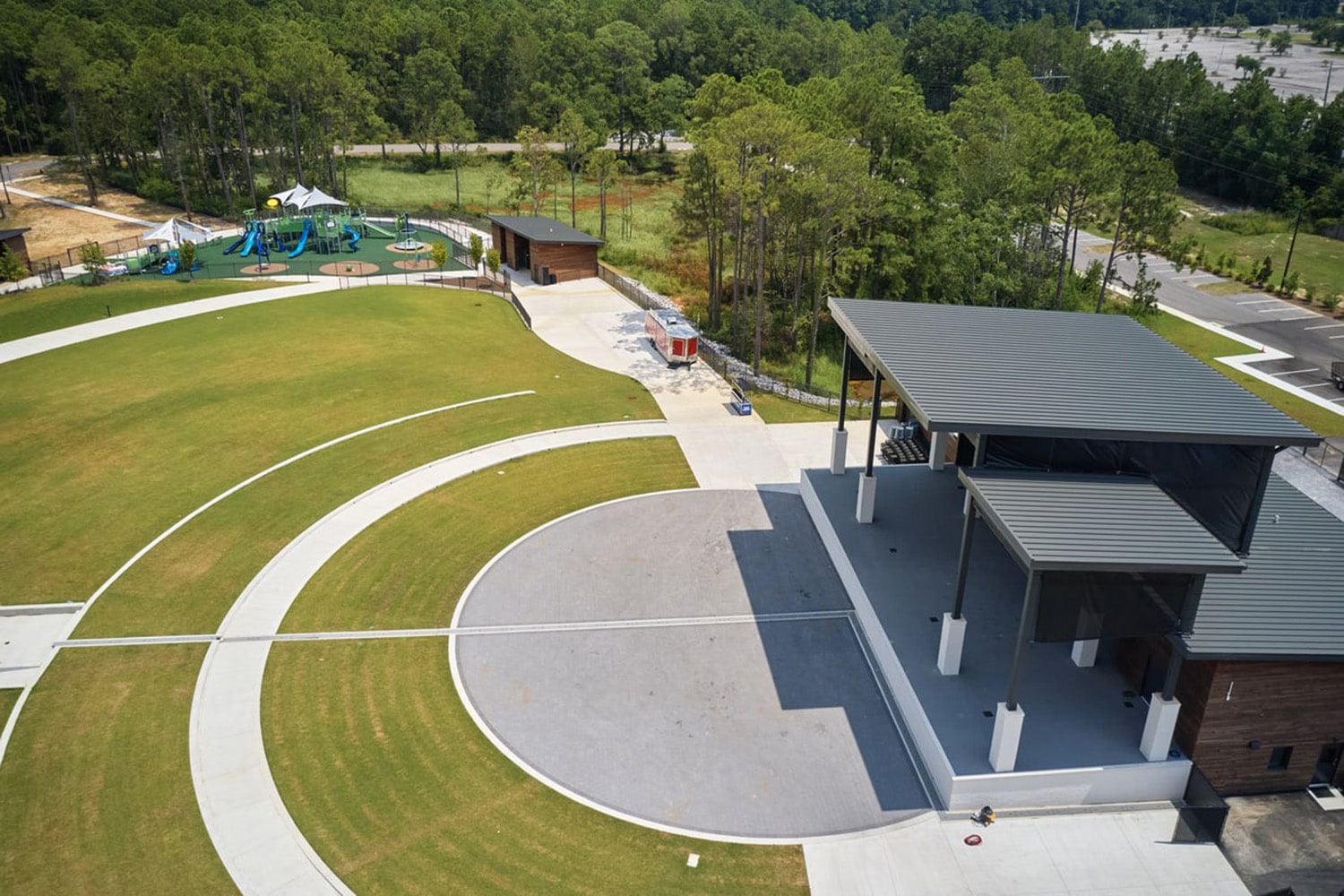
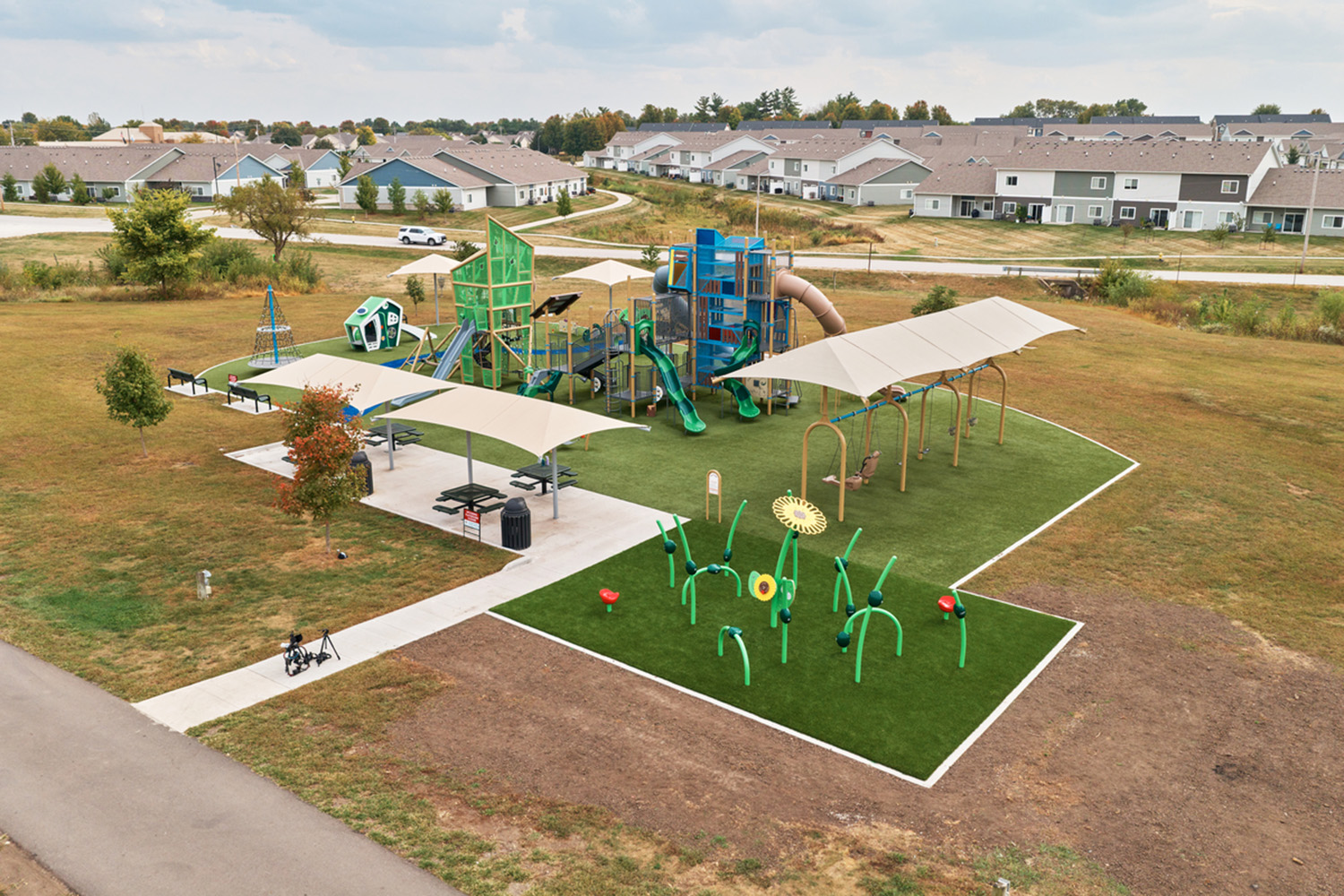
Nothing else on the playground planning checklist matters until someone has walked the ground:
- Usable area — measured on site, with use zones drawn in rather than guessed
- Grade and slope — because slopes can become embankment slides, or become excavation costs
- Drainage — where water goes now, and where it will go afterward
- Buried utilities — locates completed before you finalize any layout
- Site access — whether cranes and delivery trucks can reach the site
- Existing features — mature trees, pathways and adjacent amenities worth designing around
- Sun and wind exposure — which determines whether shelters and shade structures belong in this budget or a later one
Section Three: Scope, Standards and Accessibility
This is the part of the playground planning checklist that turns a wish list into something a supplier can price:
- CSA Z614 compliance stated explicitly as a requirement, not assumed
- Third-party validation — IPEMA certification, plus manufacturer standards
- Accessibility provisions named explicitly in the tender. Most often, this is CSA Z614 Annex H, which sets the minimum standards for designing and building barrier free playgrounds. However, some municipalities develop their own internal accessibility guidelines, which should also be stated
- Fall heights confirmed, because the tallest play surface determines your surfacing spec
- Surfacing type decided against real criteria — protective surfacing can approach a third of the budget, and accessibility narrows the options considerably
- Warranty terms you expect bidders to meet
- Installation credentials required, such as CPSI-certified crews
Section Four: Build the Whole Budget
Most budgets fail because they price equipment and nothing else. Consequently, the project stalls at tender. So your budget section should account for the full scope:
- Equipment — typically 40 to 50% of the total
- Protective surfacing — 20 to 30%
- Installation labour — 15 to 25%
- Site preparation — 5 to 15%, covering excavation, drainage, borders and restoration
- Freight — quoted separately, and significant for remote sites
- Shade and park furniture — benches, receptacles and bike racks are almost never in an equipment quote
- Contingency — 10% is a sensible floor
- Funding sources confirmed, including playground grants and donors. Note that most grants expect a portion already raised, sometimes up to 50%, while a professional grant writer typically charges $500 to $2,000 per application
Section Five: Consultation and Approvals
Anyone working out how to plan a community playground should treat this part of the playground planning checklist as load-bearing rather than procedural:
- Public consultation completed and documented. Most provinces don’t mandate this for play spaces, yet councils and grant programs increasingly expect evidence that you asked residents
- Accessibility advisory committee consulted where your municipality has one
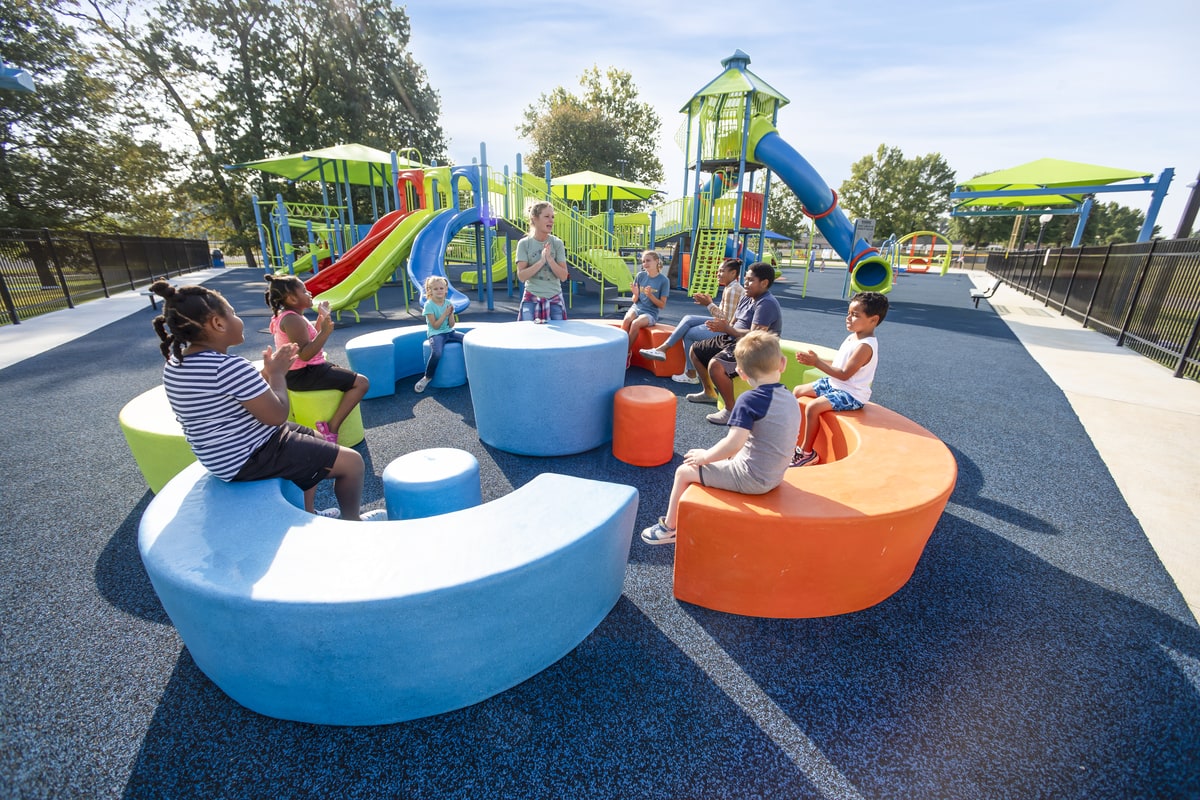
- Children and caregivers asked directly, since they use the space
- Council or board approval secured for the scope, not just the dollar figure
- Permits identified early — shelters and some custom structures need them
- Maintenance owner named, along with an annual inspection budget
Section Six: Write a Tender That Returns Comparable Bids
Here the playground planning checklist pays for itself. Specify:
- Site conditions and dimensions, supplied to every bidder equally
- Age groups and capacity, so nobody guesses
- Standards and accessibility requirements, written in
- Surfacing type and area, rather than leaving it to the bidder
- Whether the price includes installation, the single most common source of incomparable bids
- Exclusions stated explicitly, so they do not become surprises
- Evaluation criteria and weightings, published upfront
- Your completed playground planning checklist, filled in on your downloaded copy and attached as an appendix, so every bidder works from the same assumptions you do
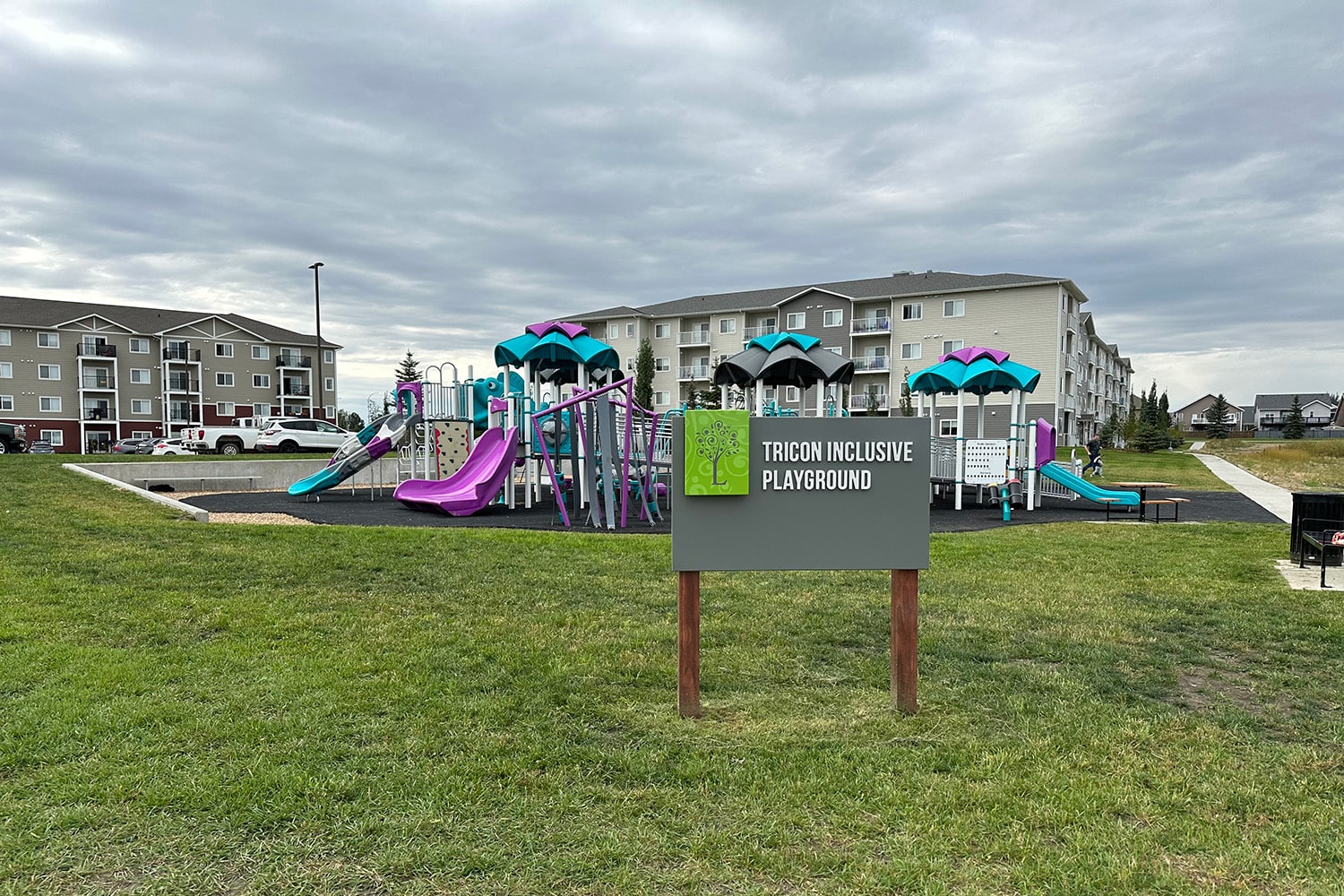
Who Owns Each Playground Planning Checklist Section
A checklist without named owners tends to stall, especially on volunteer committees where everyone assumes someone else is handling it. So assign each section before you start:
- Sections One and Five belong to whoever holds the community relationship — a recreation coordinator, a principal, a league president
- Section Two needs someone who can walk the site with authority: public works, facilities, or your supplier
- Sections Three and Six belong to procurement or whoever will actually write the tender
- Section Four belongs to finance, with the funding owner named separately
One person should own the checklist overall. Otherwise people answer sections in isolation, and the contradictions only surface once bids arrive.
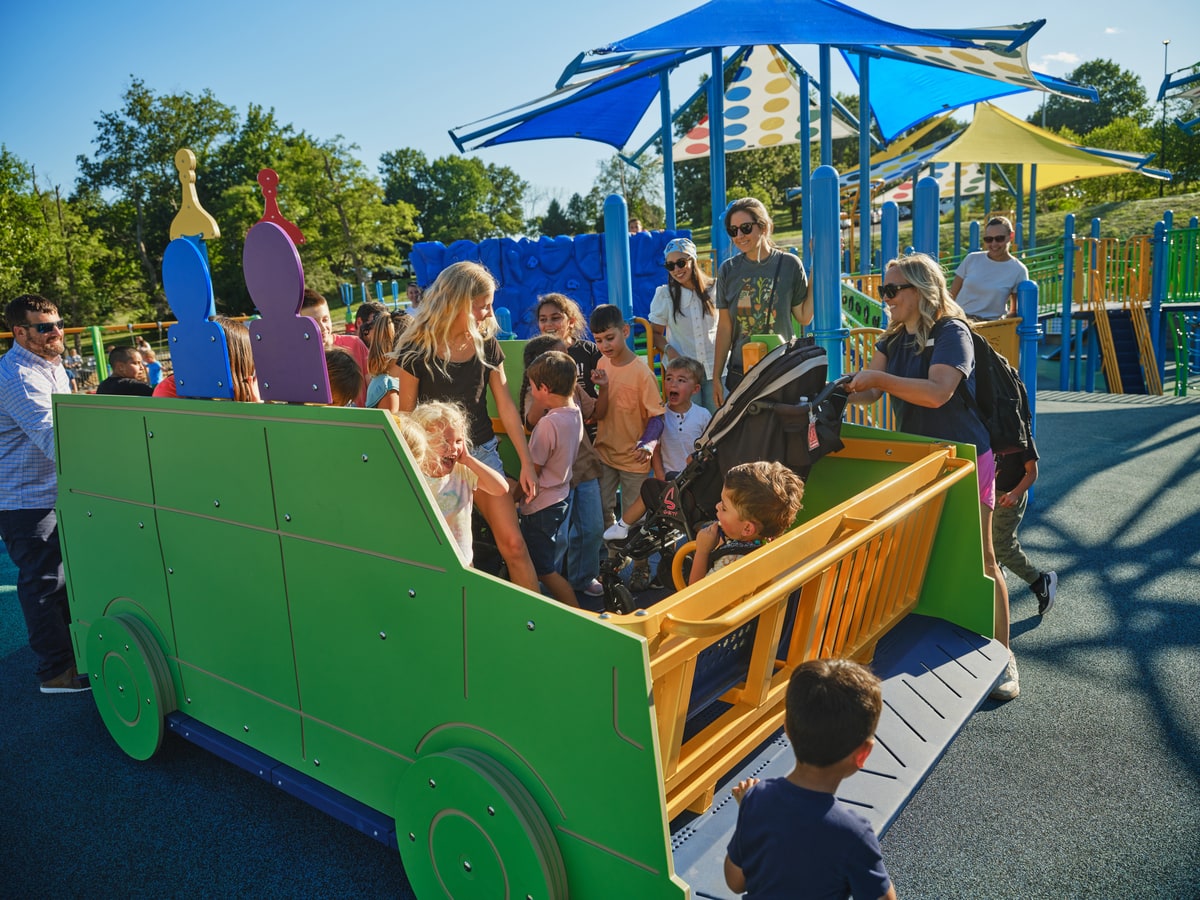
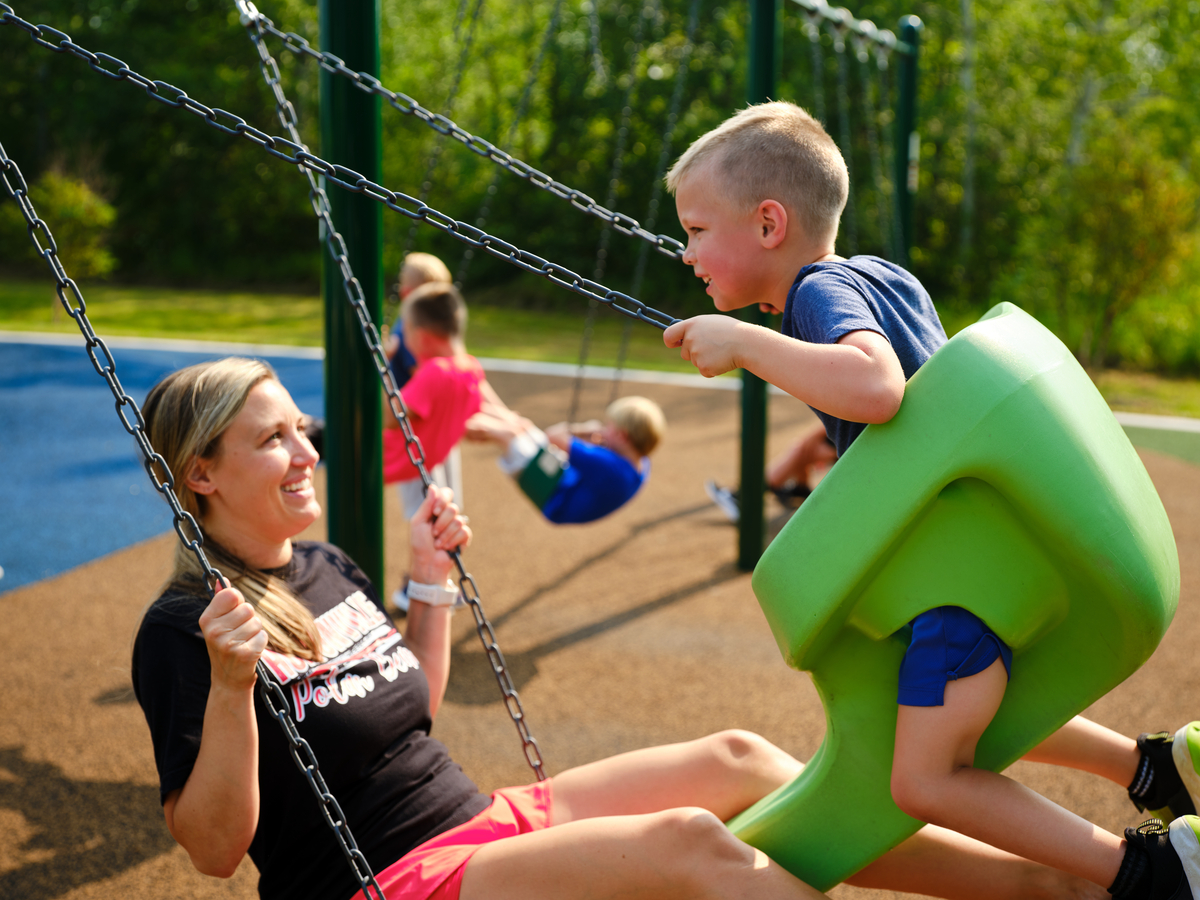
Playground Design Considerations Most Checklists Miss
Four playground design considerations come up repeatedly in our project reviews, though they rarely appear on a first draft of a playground planning checklist:
Winter. A prairie playground is snow-covered for months. Where do crews pile plowed snow, and will it land on the surfacing?
Phasing. Design the full layout now even if you build in stages, because retrofitting a later phase costs more than planning for it.
The route to the playground. An accessible structure reached by a gravel path is not accessible. That connecting concrete usually sits outside the play area budget.
Lifecycle cost. Loose-fill surfacing needs topping up on a schedule. Poured rubber costs more upfront and less each year after, so the cheapest quote is rarely the cheapest solution long-term.
Who maintains it. Parks crews, school custodial staff and volunteer committees have very different capacity. A design that assumes weekly raking will fail quietly if nobody actually rakes it.
Used this way, the playground planning checklist doubles as a playground equipment selection guide. Once you have settled users, site, standards and budget, the shortlist narrows itself.
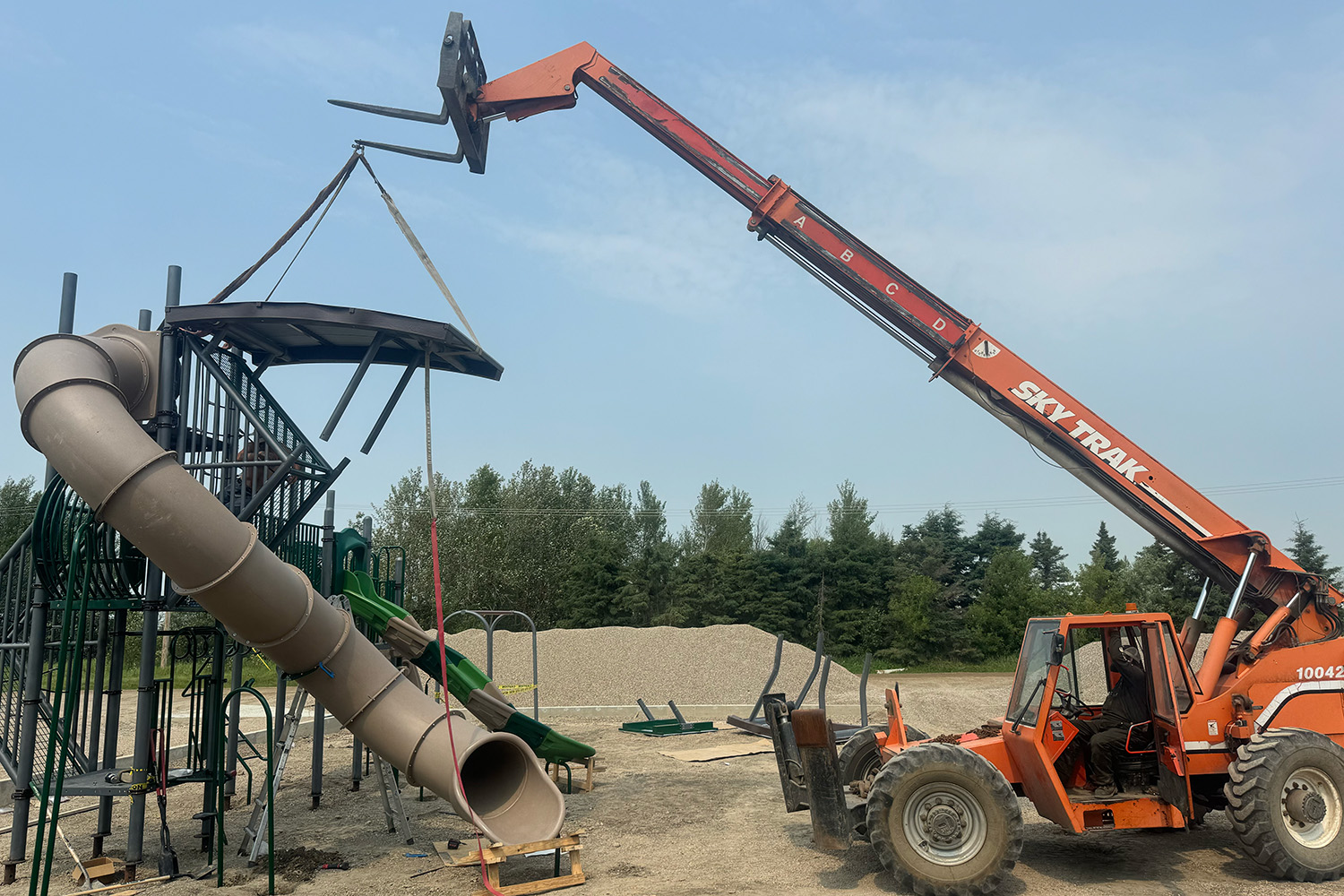
Working Through the Playground Planning Checklist
Canadian Recreation Solutions has spent forty years planning play spaces across Alberta, British Columbia and Saskatchewan, and you can see how these decisions play out in our completed projects. Our distributed brands publish useful companions too: Little Tikes Commercial’s playground planning resources cover standards and phasing, its parks and recreation guidance speaks directly to municipal buyers, and Miracle Recreation’s planning hub covers funding routes.